


SINGAPORE: In one of the most coordinated international cybercrime crackdowns to date, over 1,000 malicious IP addresses in Singapore were wiped from the internet. This comes as part of Operation Secure, a four-month investigation involving law enforcement from 26 countries, targeting a rising digital threat: infostealer malware.
What’s an infostealer? Think of it as a silent thief lurking inside your device — grabbing your browser passwords, credit card numbers, cookies, crypto wallet keys — and then selling them on the dark web to the highest bidder. These logs are the skeleton keys that cybercriminals use to unlock everything from ransomware deployments to full-blown identity theft and corporate espionage.
Interpol’s cyber clean-up
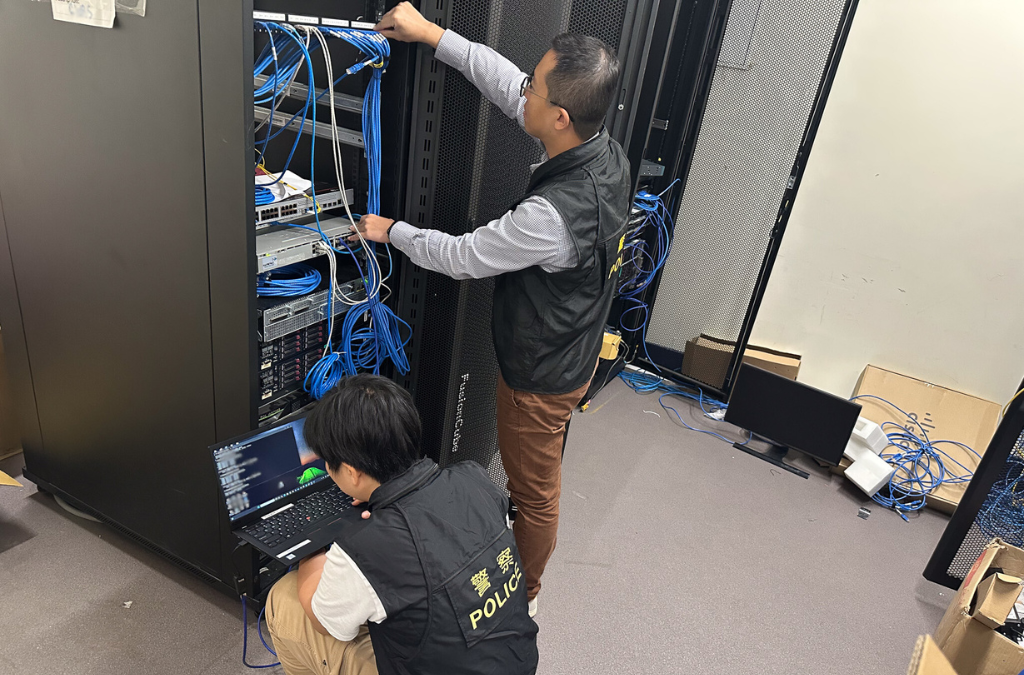
Interpol announced on June 11 that the operation netted serious results:
-
20,000 IP addresses and domains taken offline
-
41 command servers seized
-
Over 100 GB of criminal data extracted
-
32 cyber suspects arrested globally
-
216,000 victims alerted
And among that, Singapore stood out, with 1,000+ local IPs neutralised thanks to joint work by the Singapore Police Force’s Cybercrime Command and the Cyber Security Agency (CSA).
Singapore responds
Assistant Commissioner Paul Tay, head of the Cybercrime Command, noted:
“Our strong collaboration with local and international partners was key to dismantling these networks. We’ll continue to work closely with CSA and others to protect Singaporeans and businesses — and we won’t hold back against cybercriminals.”
The CSA echoed this, pointing out that Singapore’s digital economy boom has made cybersecurity more than just an IT issue — it’s a national priority.
Why you should care
Unlike flashy ransomware that announces itself with ultimatums, infostealers hide in plain sight. You might never know your device was infected — until your accounts are drained, your company breached, or your data sold to someone halfway across the world.
These tools often sneak in through phishing links, shady downloads, or browser plugins that seem harmless. And once in, they open the door to global-scale cyberattacks.
That’s why Operation Secure isn’t just a cyber-police milestone — it’s a global wake-up call.
The bigger picture
As governments, hospitals, banks, and even homes become increasingly digitised, cybersecurity can’t stay local. The threats don’t respect borders, and now, finally, the response doesn’t either.
Operation Secure shows what’s possible when agencies share intelligence, cross jurisdictions, and strike before the damage is done.
It also makes this clear: Cybercrime is no longer a faceless digital nuisance — it’s a threat to everyday lives, economies, and national security.
And the world is watching how we respond.
 Follow Google News
 Join us on WhatsApp
 Follow us on Telegram