
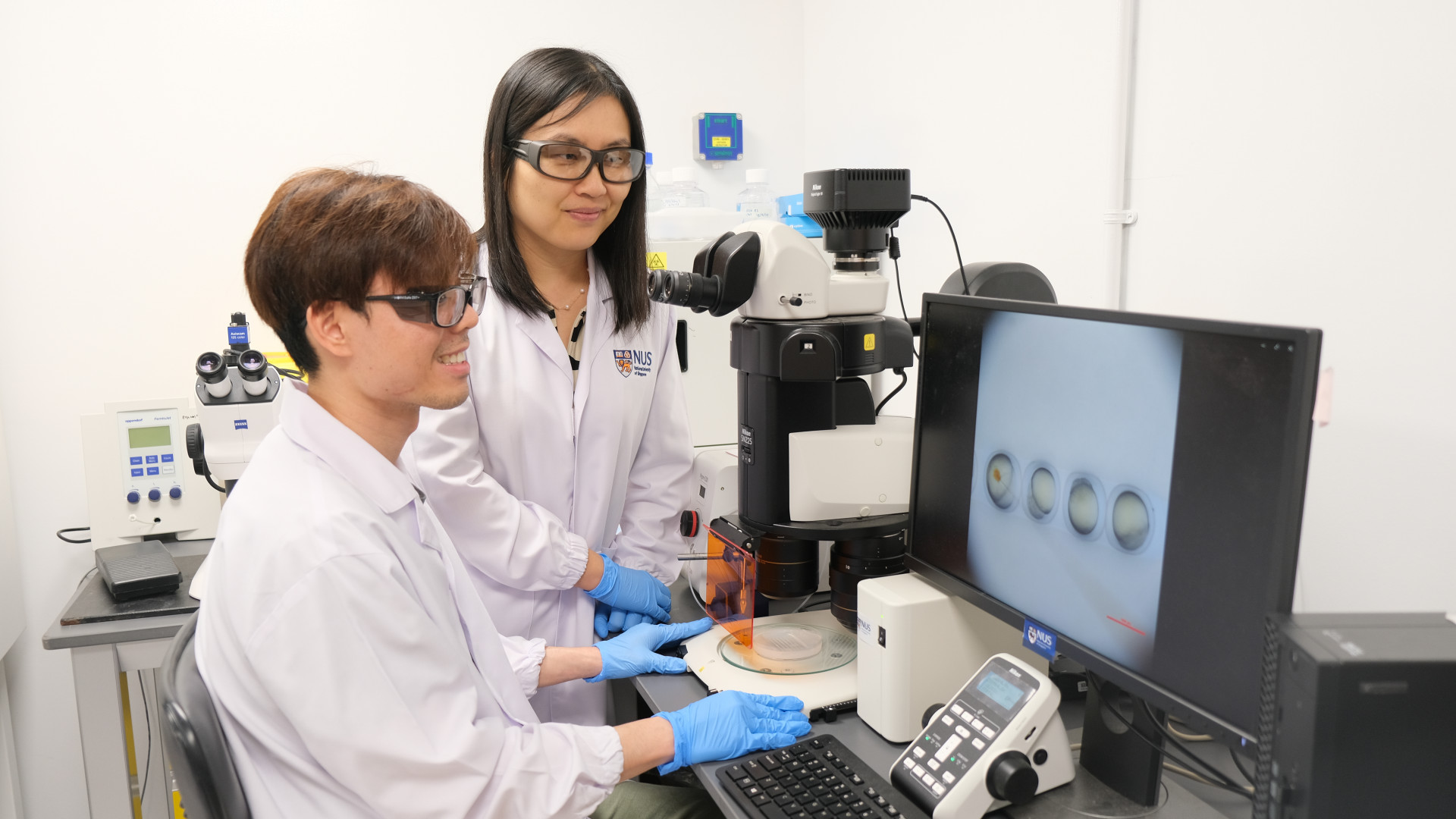

SINGAPORE: Food virologists from the National University of Singapore (NUS) have achieved success in propagating the highly infectious human norovirus (HuNoV) using zebrafish embryos, opening new avenues for studying the virus, assessing its behaviour, and investigating inactivation methods, particularly crucial for the water treatment and food industries.
Human norovirus is a global menace, being the predominant cause of acute gastroenteritis, contributing to an estimated 684 million diarrhoea cases and 212,000 annual fatalities worldwide.
Despite its significant impact, norovirus research has faced challenges due to the absence of a reliable in vitro culture system. The existing human intestinal enteroid model relies on scarce human biopsy specimens, demanding labour and resource-intensive maintenance.
Led by Assistant Professor Li Dan from the NUS Department of Food Science and Technology, in collaboration with Professor Gong Zhiyuan from the NUS Department of Biological Sciences, the research team stumbled upon a breakthrough using zebrafish embryos as a host for cultivating HuNoV.
The zebrafish embryo model is easy to handle and robust and demonstrates remarkable efficiency in replicating HuNoVs. This achievement represents a milestone, providing the highest fold increase over the baseline, allowing continuous passaging of HuNoV within a laboratory setting.
Assistant Professor Li Dan said, “The zebrafish embryo model represents an essential improvement in the HuNoV cultivation method. With its high efficiency and robustness, this tool is able to enhance both the breadth and depth of HuNoV-related research.” The model will be instrumental in studying HuNoV’s behaviour, replication, and other properties.
The research, published in the journal Applied and Environmental Microbiology, holds significant implications for epidemiological research on HuNoV and provides valuable insights for developing HuNoV inactivation parameters. These parameters are critical for the water treatment and food industries to formulate more effective methods for preventing the spread of the virus.
Looking ahead, the research team plans to leverage the zebrafish embryo model to investigate inactivation methods for HuNoVs in food products. Detecting infectious HuNoV in food products has been a challenging task, and while further refinement and optimization are required, the ongoing work of the research team holds promise in addressing this gap.
 Follow Google News
 Join us on WhatsApp
 Follow us on Telegram