
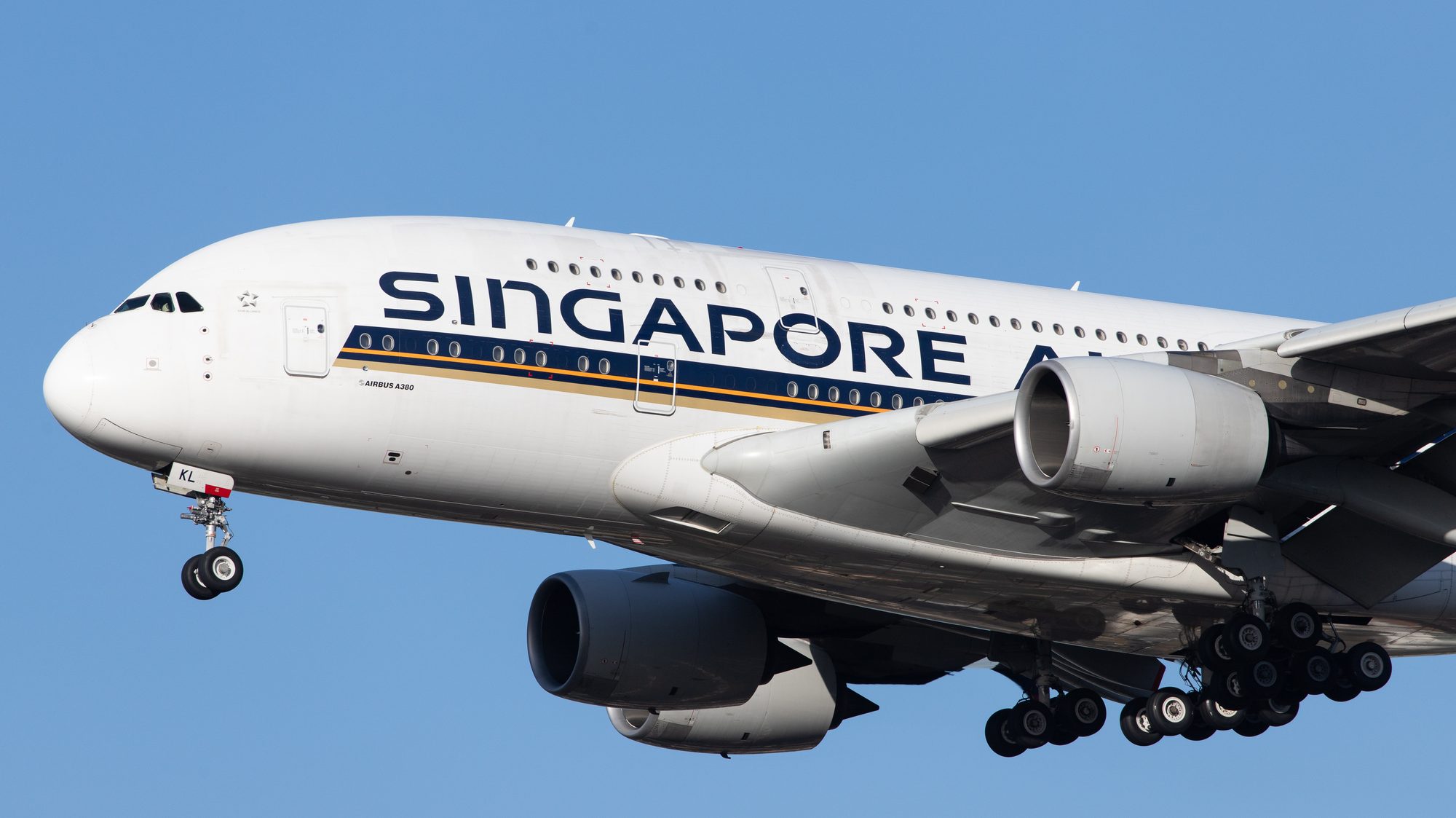

SINGAPORE/TOKYO: In a move that could revolutionize international shipping, Singapore’s competition watchdog has officially approved a new cooperation agreement between Singapore Airlines (SIA) and All Nippon Airways (ANA) for their shared operations on the Singapore-Tokyo route. According to the latest FreightAmigo report, this approval marks a crucial step towards improving air freight efficiency and capacity between two of Asia’s most significant economic hubs.
With broader implications for global trade and logistics, this collaboration is set to reshape air cargo networks and bolster international shipping.
Boosting air freight capacity and efficiency
The strategic partnership between SIA and ANA is poised to transform air freight services on the high-demand Singapore-Tokyo route. By joining forces, the two airlines can optimize their operations, resulting in increased cargo capacity, more frequent flights, and potentially more competitive pricing for businesses relying on swift deliveries between these major economic centres. Since air freight is integral to global supply chains, the collaboration promises far-reaching effects for international trade, benefiting companies that depend on timely and efficient shipping for both time-sensitive and high-value goods.
Strengthening global connectivity and trade opportunities
With Singapore and Tokyo positioned as vital logistics hubs for the Asia-Pacific region, the SIA-ANA partnership will enhance their role in the global shipping network. Improved connectivity and reduced transit times will provide businesses with new opportunities to streamline their supply chains. This could be especially valuable for industries that rely on air cargo for precision and speed. Moreover, the cooperation could have a ripple effect, improving logistics efficiency on other key trade routes, including those to the United States—an essential market for exports from Asia.
Paving the way for a more integrated freight network
The SIA-ANA collaboration is part of a broader trend toward integrating and optimizing freight transport solutions across the Asia-Pacific region. As airlines continue to find ways to maximize routes and reduce inefficiencies, air cargo management will become more streamlined. This evolution could lead to advancements in tracking technology, smoother booking systems, and overall improvements in reliability. For companies navigating the complexities of international shipping, this is a welcome development, providing opportunities to optimize logistics strategies.
With this new dynamic in place, platforms like FreightAmigo’s Digital Logistics Solution stand ready to help businesses capitalize on the enhanced Singapore-Tokyo route. Their AI-powered system provides a seamless booking experience, competitive rates, and real-time tracking, helping companies manage their air freight needs efficiently across key global hubs.
As the air freight landscape continues to evolve, businesses that embrace such innovations will have a significant edge in the competitive world of international trade.
 Follow Google News
 Join us on WhatsApp
 Follow us on Telegram