
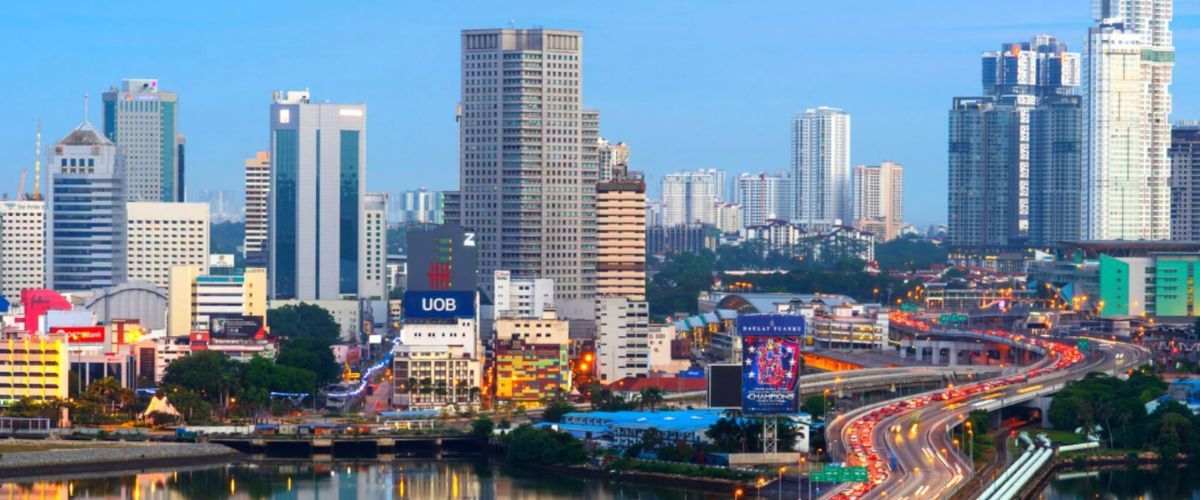

JOHOR BAHRU: Johor is setting its sights on becoming a leading regional centre for green manufacturing, circular economy solutions, and sustainable industrial integration, with the Johor-Singapore Special Economic Zone (JS-SEZ) being positioned as a primary vehicle to help achieve that target.
Speaking in relation to a CEO Roundtable Meeting organised by the Iskandar Regional Development Authority (IRDA), Global Compact Network Malaysia & Brunei, and Global Compact Singapore, IRDA Economic Division Director Rudyanto Azhar said the JS-SEZ has a unique geographic position to support this transformation by combining Johor’s industrial capabilities, strategic infrastructure, and renewable energy potential with Singapore’s technology ecosystem, innovation expertise, and access to capital.
“The JS-SEZ will become the main driving factor as Malaysia and Singapore strengthen collaboration to address evolving global supply chain and environmental requirements,” he said.
Record investments signal growing confidence
The case for Johor as a green industrial hub is being bolstered by strong investor appetite. Johor secured RM110 billion (S$34 billion) in investments last year, with RM79 billion of that flowing into the JS-SEZ alone. Mr Azhar said stakeholders see growing opportunities for the region to emerge as a competitive gateway for sustainable industrial growth in ASEAN.
“The region can unlock new opportunities in smart infrastructure, digital energy solutions and sustainable industrial development, while reinforcing through stronger cross-border collaboration, the region’s competitiveness as a future-ready economic hub for ASEAN,” he stated.
Regulatory pressure driving the green agenda
The roundtable brought together industry and sustainability stakeholders from both Malaysia and Singapore to discuss the region’s economic competitiveness and green transition agenda. Discussions were focused on the growing urgency for businesses within the JS-SEZ to prepare for a shifting international regulatory environment.
Key among these pressures is the European Union’s Carbon Border Adjustment Mechanism, which is a carbon tariff on imports into the EU that will make low-carbon production credentials increasingly important for manufacturers exporting to Europe. Rising ESG (Environmental, Social, and Governance) compliance standards and growing demand for low-carbon manufacturing practices were also flagged as factors reshaping how businesses in the region need to operate.
Circular economy at the core
More than the regulatory compliance, participants also explored how cross-border collaboration between Johor and Singapore could accelerate industrial sustainability. Strategic priorities that were raised at the meeting included the recovery and reuse of industrial materials such as copper, iron, rubber, and electronic waste components, including PCB (printed circuit board) materials, to support circular manufacturing ecosystems and reduce industrial waste leakage.
Strengthening the supporting infrastructure for industrial recycling and material collection was also identified as a key need, as manufacturers face increasing pressure to meet international sustainability and carbon reporting standards.
Why this matters for Singapore
As Singapore continues to attract high-value technology and financial services, having a closely integrated industrial zone across the Causeway that is increasingly aligned with international green standards makes the broader region more competitive as a package for multinational investors weighing Southeast Asia as a base.
The EU’s Carbon Border Adjustment Mechanism, in particular, is a concern that cuts across both sides of the Causeway, given how deeply Singapore’s trade-dependent economy is linked to European markets. A Johor that develops genuine circular economy infrastructure doesn’t just serve local manufacturers; rather, it strengthens the entire region’s ability to meet the sustainability benchmarks that global supply chains are increasingly demanding.
 Follow Google News
 Join us on WhatsApp
 Follow us on Telegram