
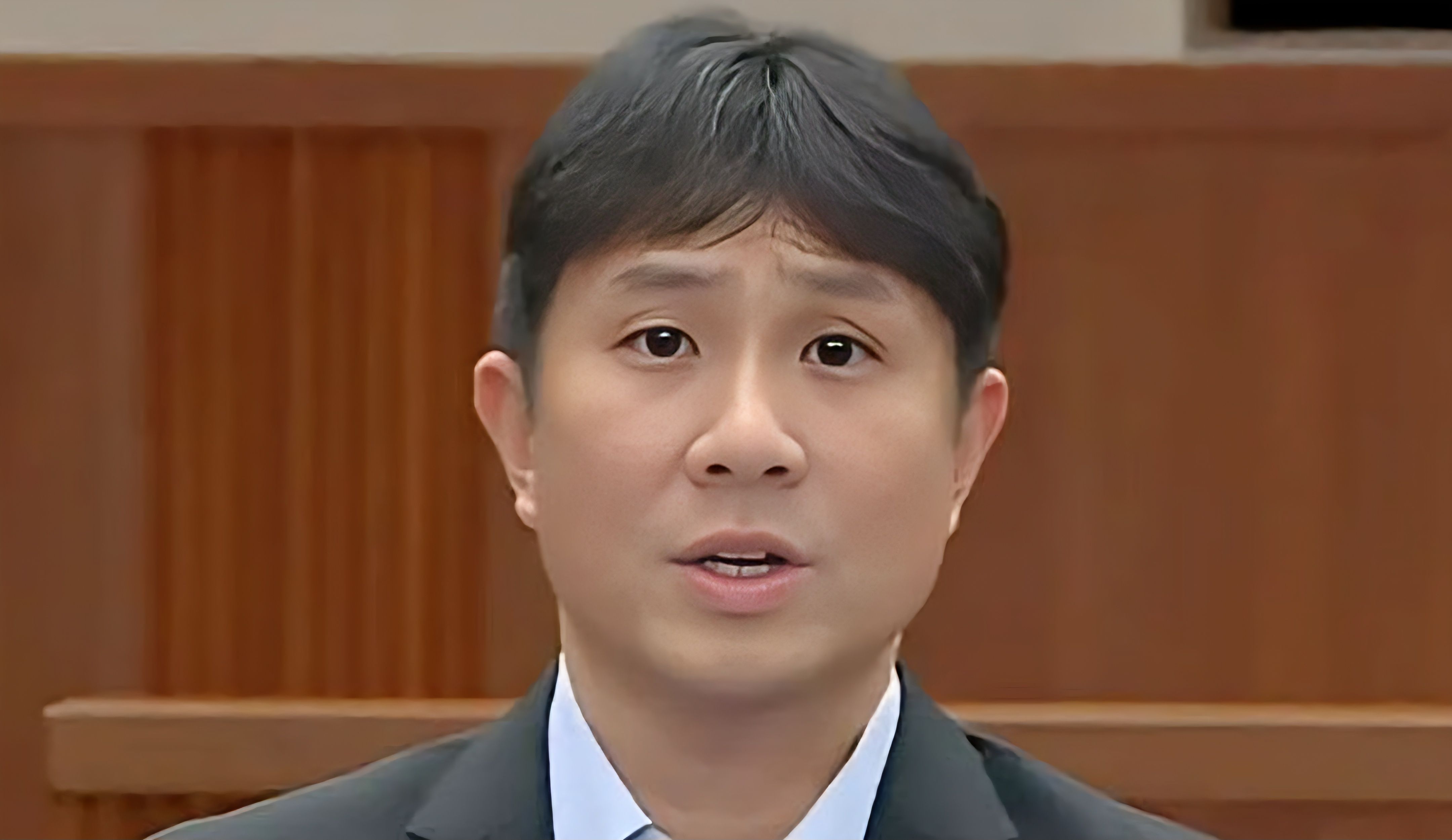

SINGAPORE: In a social media post on Monday (Sep 21), Jamus Lim applauded the recent announcement of a pilot to redesign classrooms, including smaller class sizes, in several primary schools next year.
Minister Desmond Lee had said at the Ministry of Education’s workplan seminar on Sep 16 that the pilot will explore how a smaller class size would benefit teaching and learning.
The Sengkang GRC MP, an Associate Professor of Economics, has long spoken up in favour of smaller class sizes.
He wrote that he was “ immensely gratified by this development” and noted that this is something that the WP has championed since 1984, led by no less than its former secretary-general, the longtime MP Low Thia Khiang.
As Assoc Prof Lim pointed out, Mr Low had himself been an educator. After obtaining a diploma in education, he taught for several years before becoming a businessman.
Advantages of smaller class sizes
Assoc Prof Lim went on to explain that it is difficult to assess student performance in relation to class sizes, given that many children receive private tuition to “fill in the gaps in public schooling.”
Nevertheless, smaller classes make for better classroom management and mean that students receive more individualised attention. They are also better for teachers, as fewer students mean a lighter workload.
Assoc Prof Lim added, “As both an educator and parent of a young child, I have been a steadfast believer in the merits of smaller classes, for both teachers and students… Yet the bottom line is far more straightforward: when public policy changes for the better, our country benefits, regardless of where the idea came from, or in this case, how long it took for it to come to fruition.”
In 2021, the MP asked MOE if Singapore’s class sizes could be limited to 23, the average class size in OECD (Organisation for Economic Cooperation and Development) countries.
In Singapore, the class size is 33 students per class in primary and secondary schools, according to 2019 statistics, one of the highest among advanced countries.
Capping class sizes at 23, especially for subjects that students find the most challenging, such as languages and maths, would decrease the money households spend on private tuition, an expense Assoc Prof Lim characterised as an “implicit tax” on families. /TISG
Read also: Jamus Lim: Large class sizes means that tuition is no longer ‘optional’
 Follow Google News
 Join us on WhatsApp
 Follow us on Telegram