
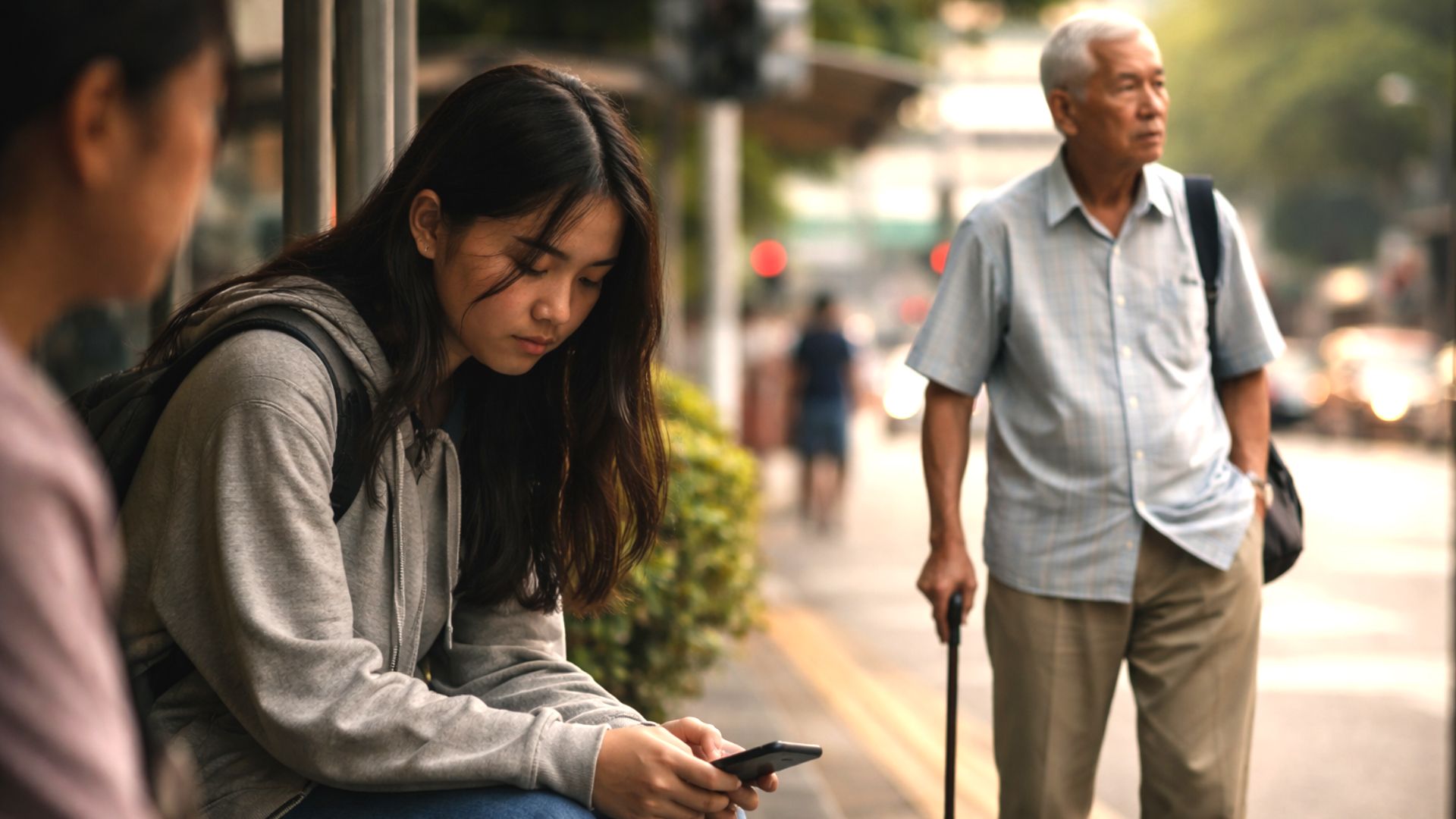

MALAYSIA: Starting June 1, 2026, children under the age of 16 in Malaysia are no longer allowed to create social media accounts on major platforms covered by the new online safety regulations. The move is part of the government’s effort to improve child online safety and reduce exposure to harmful content.
Major platforms expected to comply include: Facebook, Instagram, TikTok, YouTube and any other large social media services operating in Malaysia.
Companies that fail to comply with the requirements can face fines of up to RM10 million.
The government says the rule is intended to protect young people from: Cyberbullying, Online scams, Sexual exploitation, Harmful or inappropriate content and Excessive social media use and related mental health concerns.
The policy has received mixed reactions. Supporters view it as a necessary child-safety measure, while critics have raised concerns about privacy, age-verification systems, and whether a blanket ban is the most effective solution.
One commenter argued that social media itself is not the problem, writing: “Social media was not the problem ever. The problem was the maliciously engineered algorithms.”
Others, however, supported the new restrictions, arguing that social media can expose children to genuine harms. One commenter wrote: “There are many objective harms that social media can do to kids.”
But most importantly, people are of the view that the worries are not about the under-16 rule itself, but about how age checks might be done, because it could require users to submit things like IC, passports, or facial scans. Their concern is that this reduces online anonymity and increases the amount of personal data stored by companies, which could be misused, hacked, or exposed. They also fear a “slippery slope,” where systems introduced just to verify children’s ages might later expand to requiring identity checks for everyone, making it harder to use the internet privately or anonymously in the future.
Overall, the policy reflects Malaysia’s effort to address growing concerns about children’s safety in the digital space, but it also opens up important questions about how online regulation can be enforced without affecting privacy and everyday internet use.
 Follow Google News
 Join us on WhatsApp
 Follow us on Telegram